Interior Designer or Decorator What Changes in a High-End Home/villa
Understand where interior design ends and decoration begins, and why the distinction matters when planning a high-end villa.
Written by Eng. Lubna Sobeh · Founder & Interior Design Director ·
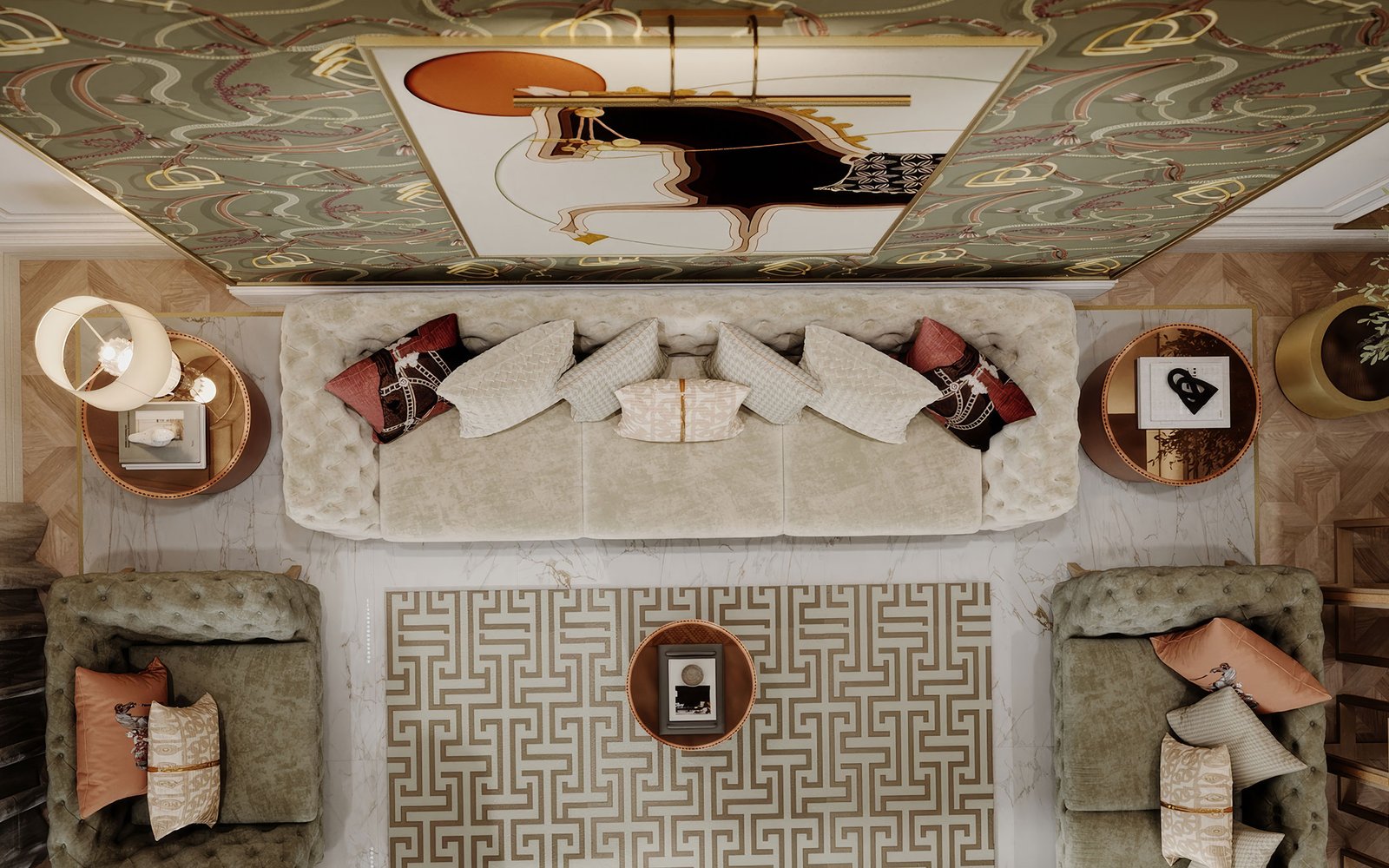
Interior designers and decorators both contribute to the character of a home, but they become involved at different stages and solve different types of problems.
Understanding the distinction helps a client appoint the right expertise at the right time.
Interior design shapes how a home works before decoration shapes how it is finally presented.
Key Takeaways
- An interior designer works with the space itself, while a decorator works primarily with the finishing layer.
- Furniture, ceilings, lighting, air conditioning and joinery cannot be treated as separate decisions.
- Decoration completes a home, but only after the structure beneath it has been resolved.
1 Interior Design Begins with the Space
The designer studies how rooms are arranged, how people move between them and how proportion, circulation and privacy affect the way the home functions. This ranges from the relationship between formal and family spaces to the size of a doorway or the scale of built-in joinery. The objective is to make the space work before deciding how it should be styled.
2 The Designer Influences Technical Decisions
Furniture layouts affect electrical points and floor boxes. Ceiling design influences lighting and air-conditioning coordination. Joinery requires accurate dimensions and detailing. When these decisions are coordinated early, architecture and interiors work together instead of creating compromises during construction.
3 Decoration Happens Later
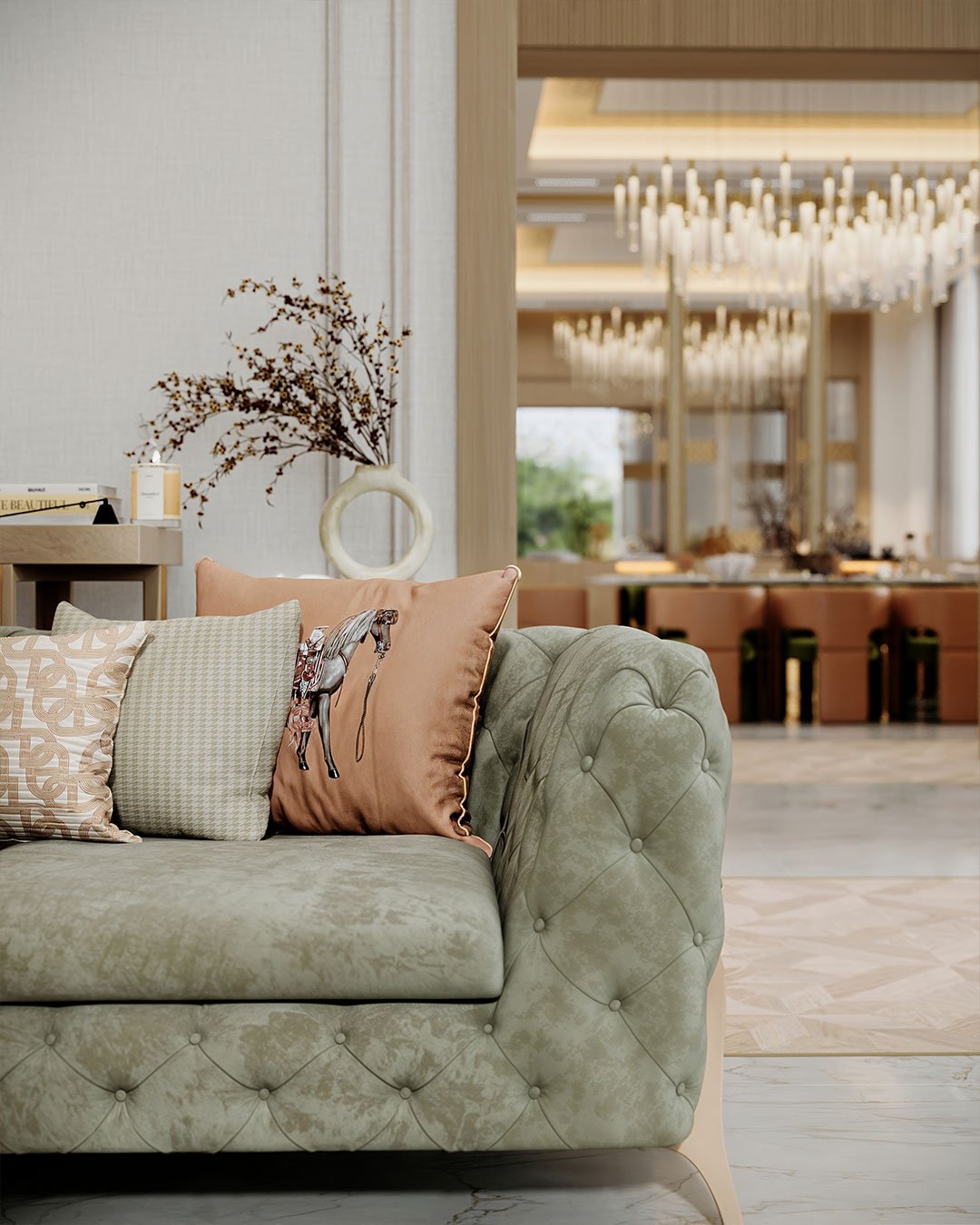
Furniture, fabrics, rugs, artwork and styling bring personality and warmth. However, a beautifully styled room cannot fully correct poor circulation or furniture that was never properly considered during planning.
4 The Relationship with the Architect
The architect develops the building as a whole, including its form, structure and relationship to the site. The interior designer focuses on how the internal spaces will be experienced and used. Early collaboration between the two creates a more coherent result because decisions can be resolved together rather than adjusted later.
5 When the Interior Designer Should Become Involved
Ideally, the interior designer becomes involved during the architectural development of the villa, while layouts, lighting and joinery are still relatively easy to change. The later these discussions begin, the more existing decisions the interior must work around.
6 Where Decoration Still Matters
Decoration should never be treated as insignificant. It is a question of timing and scope. Interior design establishes the framework of the home, while decoration completes the experience.
Interior Design and Decoration at a Glance
- Design resolves space and movement
- Design coordinates technical requirements
- Decoration adds furniture textiles and art
- Decoration completes character and atmosphere
A high-end result usually depends on both interior design and decoration, applied in the right sequence. The distinction is not about which discipline matters more, but about what each one is responsible for and when it should begin.
Author
Eng. Lubna Sobeh — Founder & Interior Design Director
Eng. Lubna Sobeh is the Interior Design Director at Lagoon Design for Decoration, leading the studio's design direction across luxury residential interiors in Qatar.